
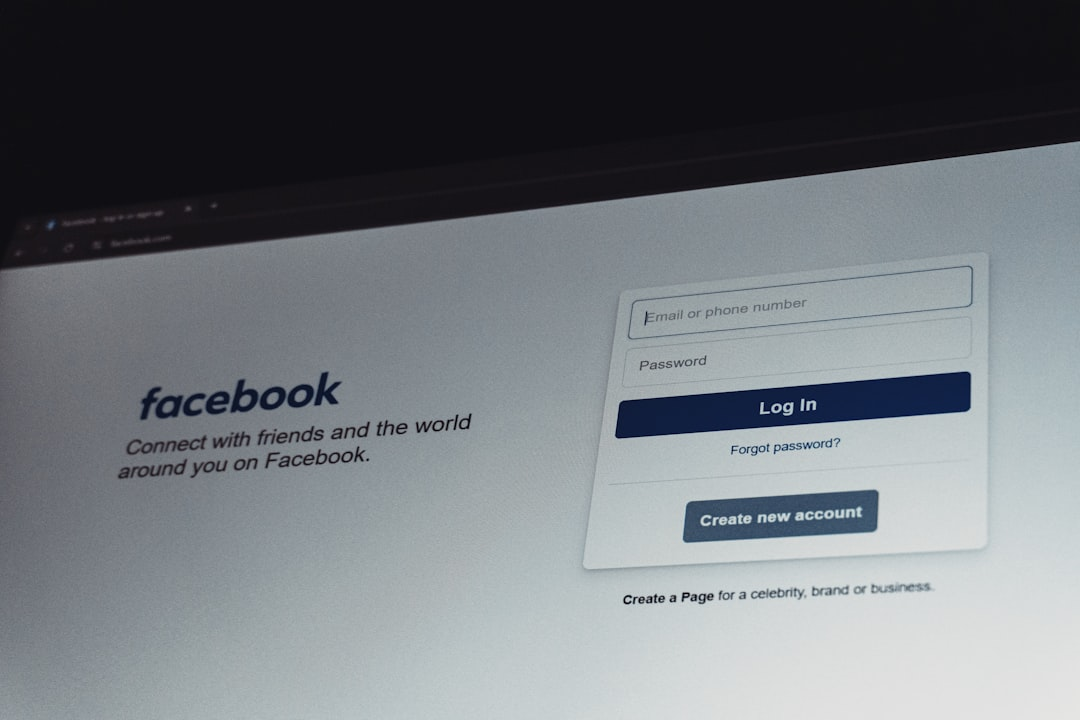
Hackers have increasingly employed the browser-in-the-browser (BitB) method over the past six months to trick users into providing their Facebook account credentials. This sophisticated technique involves creating a convincing clone of the official Facebook login page within another web browser tab, making it difficult for victims to distinguish between the fake and real page.
How It Works
The BitB method typically works as follows:
- Victims are directed to a malicious website that appears to be legitimate.
- A script on the malicious site automatically opens a new tab within the same browser window, displaying a fake Facebook login page.
- The fake page is designed to look identical to the real Facebook login page, often using the same logos, colors, and layout.
- When users enter their credentials, the information is captured by the attackers and used for fraudulent purposes.
Implications
The BitB method poses a significant risk to Facebook users as it can lead to unauthorized access to accounts, financial fraud, and other malicious activities. Once an attacker gains control of a user’s Facebook account, they may use it to spread malware, post spam content, or engage in identity theft.
Prevention Measures
To protect against BitB attacks, users should:
- Be wary of suspicious websites and links, especially those offering free services or asking for personal information.
- Verify the authenticity of login pages by checking the URL and ensuring it matches Facebook’s official domain (facebook.com).
- Use strong, unique passwords for all online accounts and enable two-factor authentication wherever possible.
- Maintain up-to-date antivirus software and regularly update their web browser to patch security vulnerabilities.
Conclusion
The BitB method represents a growing threat to online users, particularly those active on social media platforms like Facebook. By understanding how this technique works and implementing robust security measures, individuals can significantly reduce the risk of falling victim to such attacks.
Articles connexes